 Rotary Ecowise
Gardens for Butterflies and Birds
Gardens for Butterflies and Birds is Rotary Ecowise's initiative to turn ordinary home gardens and terraces into small refuges for the wildlife we've pushed out of our cities. As green cover shrinks and native plants are replaced by ornamental exotics, the butterflies, birds, and bees that once moved freely through our neighbourhoods have fewer and fewer places to feed, breed, and shelter. This page is a practical starting point for anyone, not just Rotarians, who wants to bring that life back: it explains why these species are vanishing, what a pollinator and bird friendly garden actually needs, and which plants can turn even a small balcony or terrace into usable habitat. Beyond individual gardens, we're working to bring other Rotary Clubs into this effort, so that what starts as a home gardening tip can scale into a city wide, Rotary backed movement for restoring green corridors.
Guiding Principles
Native and host plants first: Prioritize species that caterpillars and local pollinators actually depend on, not just showy ornamentals.
No chemical shortcuts: Pesticides and chemical fertilizers undo the very habitat you're trying to create; go organic.
Water and shelter matter as much as flowers: A shallow water dish, some leaf litter, and undisturbed corners are as important as nectar plants.
Layered planting: Mix canopy (trees), mid-level shrubs, and ground-level herbs to support different species at different heights.
Every space counts: A single pot of curry leaf or milkweed on a balcony is a genuine contribution, not just a full terrace garden.
Frequently Asked Questions
The main reasons include habitat destruction, lack of native plants, overuse of pesticides, and reduced food availability such as nectar, seeds, and insects.
Plant native flowering plants, avoid chemical sprays, provide host plants for butterflies, and create habitats that cater to the needs of pollinators and birds.
Native berry-producing trees, nectar-producing flowers, and plants that attract beneficial insects are ideal for attracting pollinators and birds.
Chemical pesticides harm caterpillars (butterfly larvae) and bees, disrupting their life cycles and preventing the growth of healthy pollinator populations essential to farming.
Build shallow ponds filled with clean water around your farm. Ensure the water is clean and free from pesticides or fertilizers. Add stones or sticks to enable safe perching and drinking for butterflies, bees, and birds.
Suggested Plants
Recommended choices to support biodiverse terrace/balcony and small community gardens. Suitable for southern Karnataka and surrounding areas for now. More regions will be added here soon

Blue Porterweed
Stachytarpheta jamaicensis

Bryophyllum
Kalanchoe pinnata
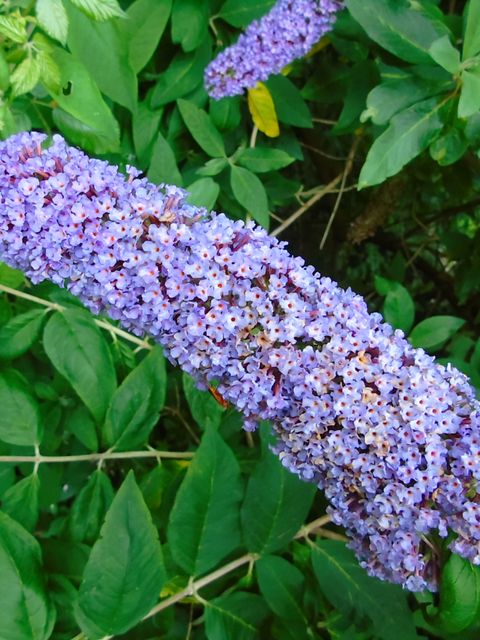
Buddleja
Buddleja davidii
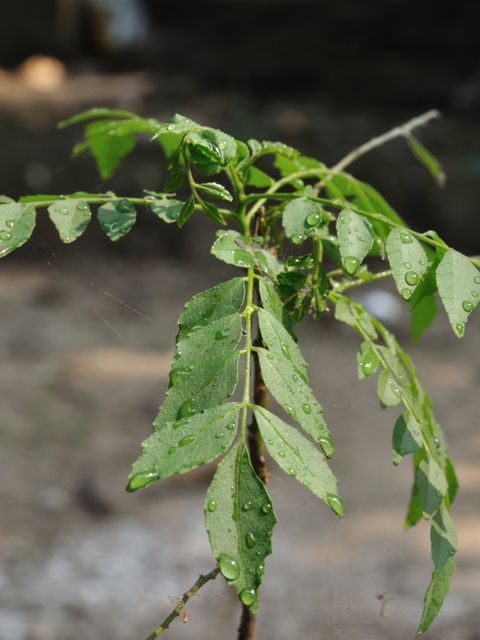
Curry Leaf
Murraya koenigii
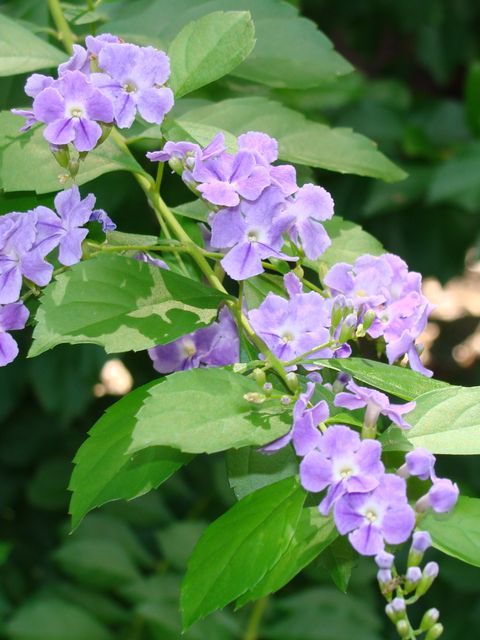
Duranta
Duranta erecta
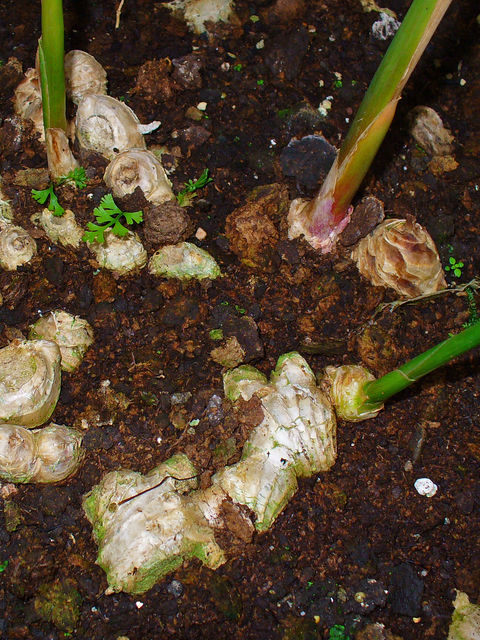
Ginger
Zingiber officinale

Indian Birthwort
Aristolochia indica

Lemon
Citrus limon

Milkweed
Asclepias curassavica
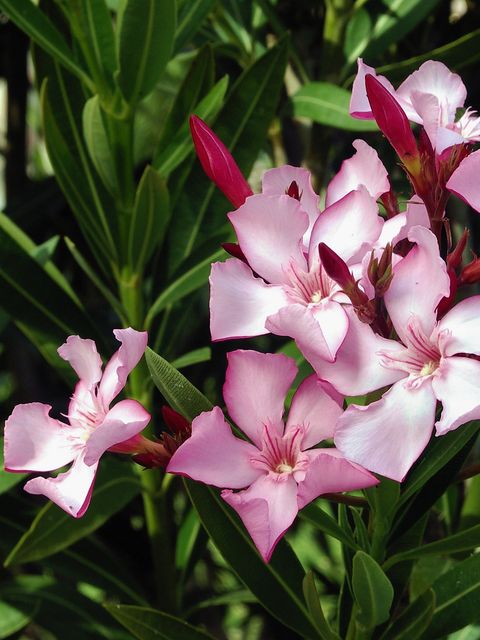
Nerium (Oleander)
Nerium oleander
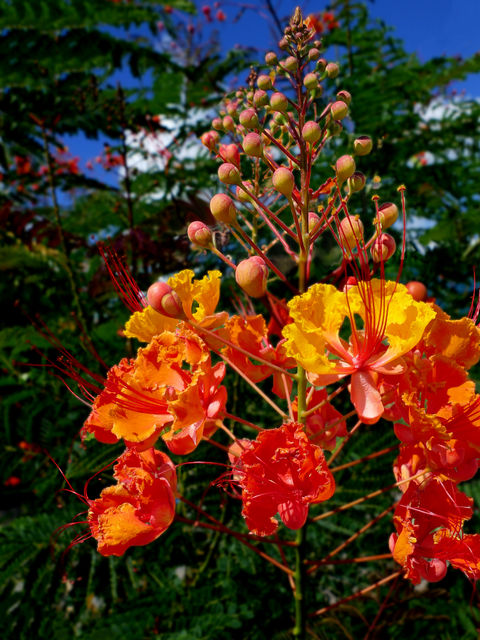
Peacock Flower
Caesalpinia pulcherrima

Rangoon Creeper
Combretum indicum

Salvia
Salvia spp.
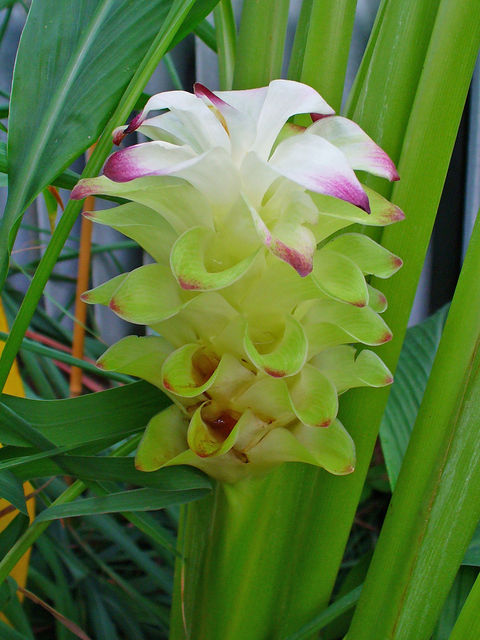
Turmeric
Curcuma longa